About Me

Hello, my name is Fan (William) Xie. I am a Ph.D. student in the Smart Structures Group at UBC. My academic background spans both engineering and architecture. I received my B.Eng in Civil Engineering from McMaster University in 2018, followed by a Master of Architecture from the University of Toronto. My interdisciplinary training in engineering and architecture shaped my interest in digital modeling, simulation, and the integration of physical and virtual built environments.

My current research focuses on AI-enabled digital twins, vision-based 3D reconstruction, and scan-to-analysis methods for structural and earthquake engineering. I am particularly interested in combining computer vision, photogrammetry, BIM, and AI techniques to support automated structural assessment and intelligent infrastructure analysis. The following sections highlight some of my recent research and development work.
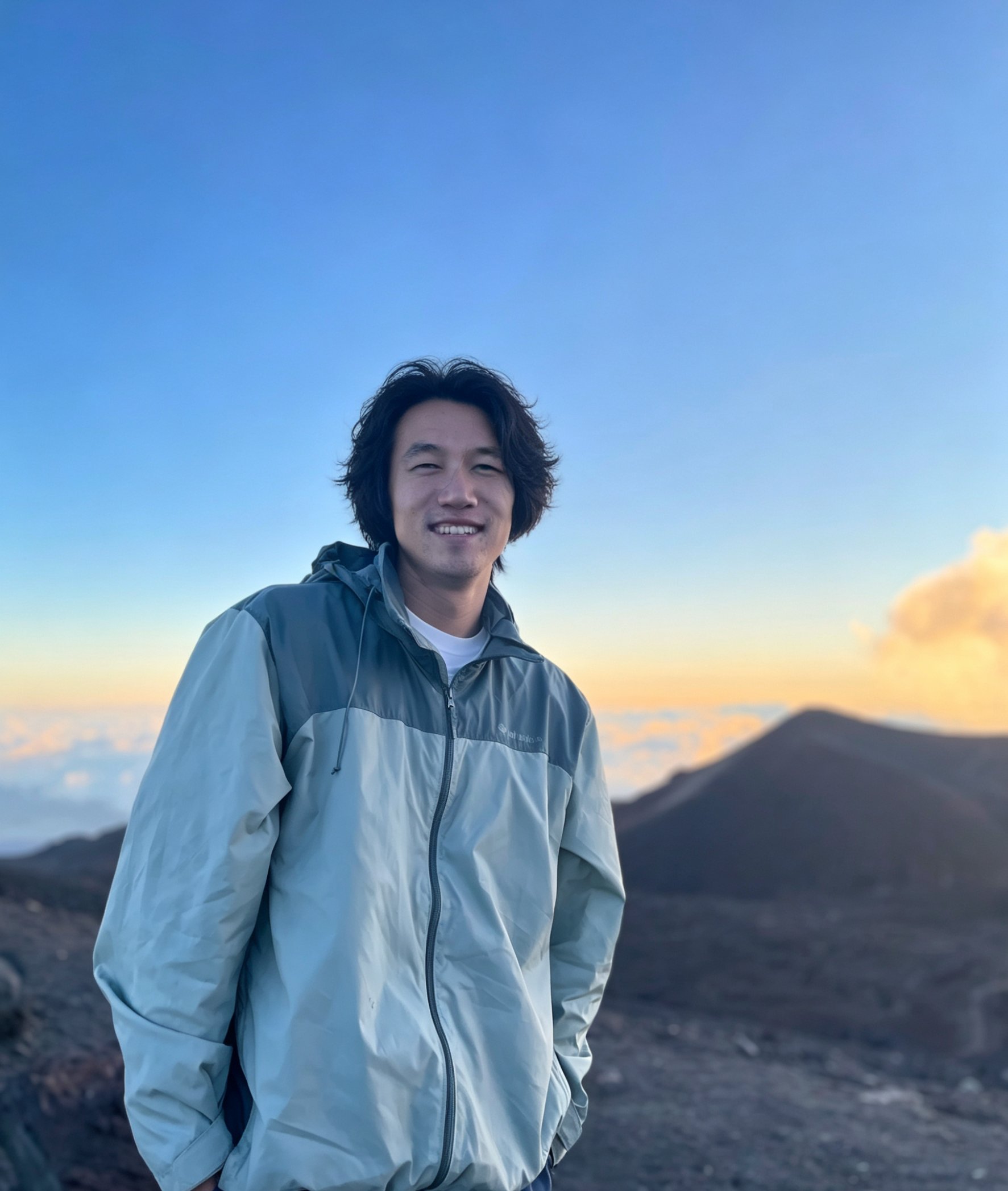
Fan (William) Xie

IC-Impacts: Seismic Design of a Tall Timber Sculpture

2024 · Seismic Design · Digital Twin · Response Spectrum Analysis
[Publication]

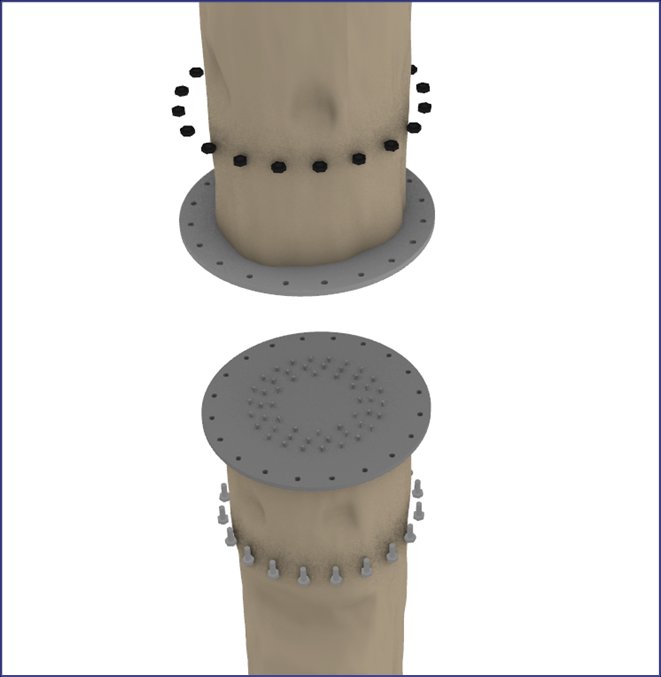
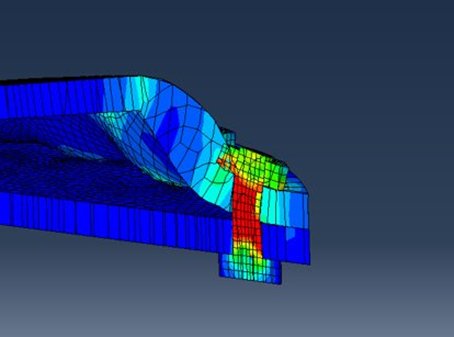
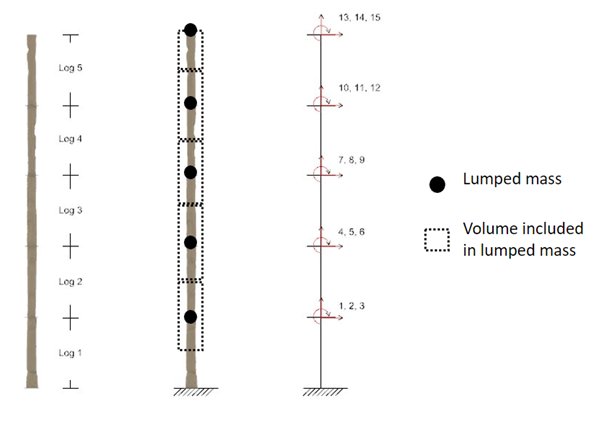
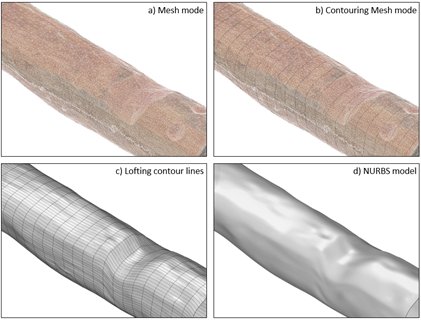
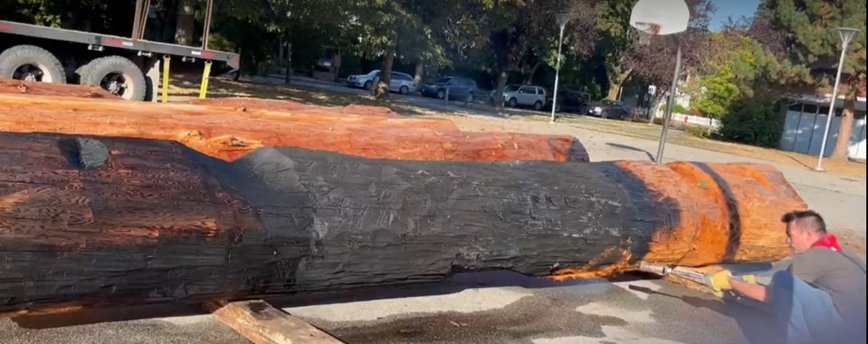
A collaboration between the Smart Structures Group and Indigenous artists to stack five 20-foot timber logs into a 100-foot sculpture. The team developed a scan-to-model pipeline to build a digital twin of the structure and conduct response spectrum analysis. State-of-the-art connection design was used between segments, showcasing the fusion of Indigenous art and modern structural engineering.

Field photo of timber log 3D connection detail FEM stress analysis Lumped mass structural model Photogrammetry scan pipeline

From top-left: field specimen · connection detail · FEM analysis · structural model · photogrammetry scan pipeline (bottom)

Vibration Damper Optimization for Cantilever Traffic Poles

2025 · Structural Dynamics · FEM · Computer Vision
Under Review

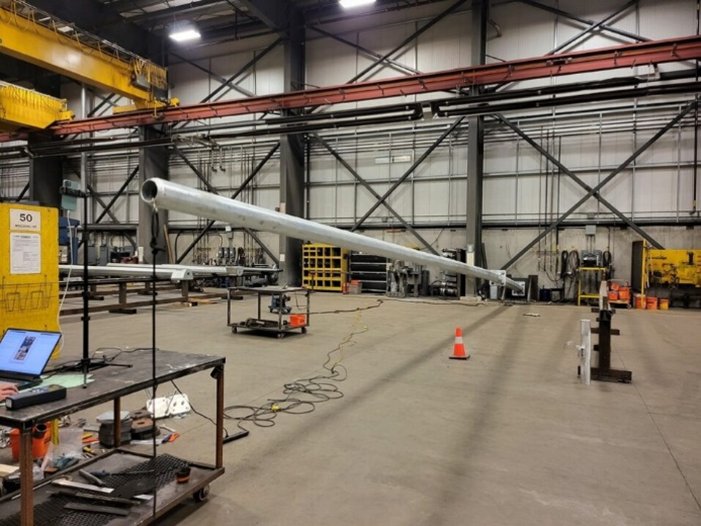
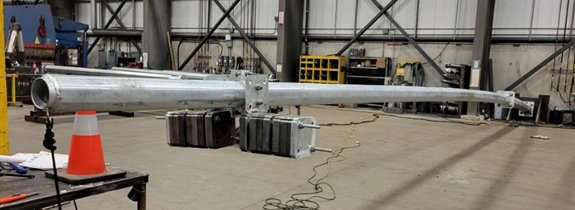
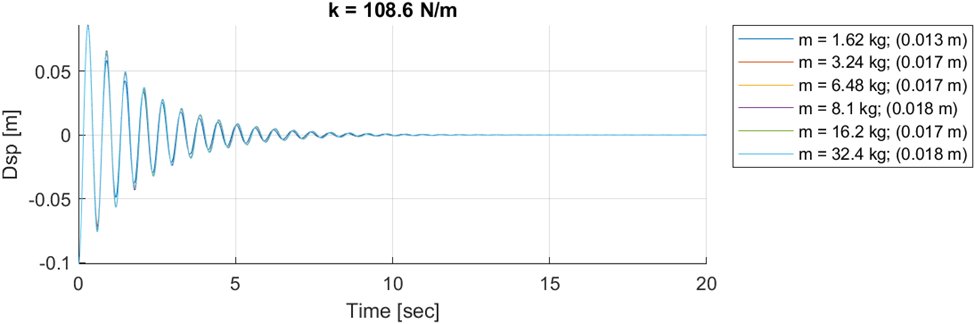
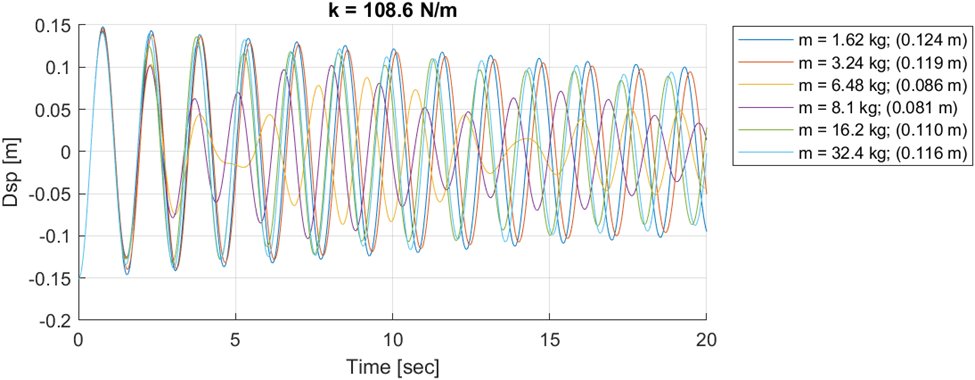
This project investigated the dynamic vibration behavior of cantilever traffic and light poles subjected to free vibration. Experimental testing and finite element analysis were conducted to evaluate the effectiveness of vibration-mitigating dampers across different mass and stiffness combinations. Computer vision tracking was used to capture pole tip oscillations, and calibrated FE models enabled extensive parametric studies on damper performance. The study identified optimized damper configurations that significantly reduced vibration amplitudes for different pole types.

Cantilever pole lab setup Pole with damper assembly Damped free vibration response Undamped vibration response

From top-left: lab test setup · damper assembly · damped free vibration response · undamped response comparison

2025

UBC Four Year Doctoral Fellowship

2024

President's Academic Excellence Initiative PhD Award

2024

Faculty of Applied Science Graduate Award

2022

IC-Impacts Research Award

2018

University of Toronto Fellowship

2014

The McMaster Honour Award